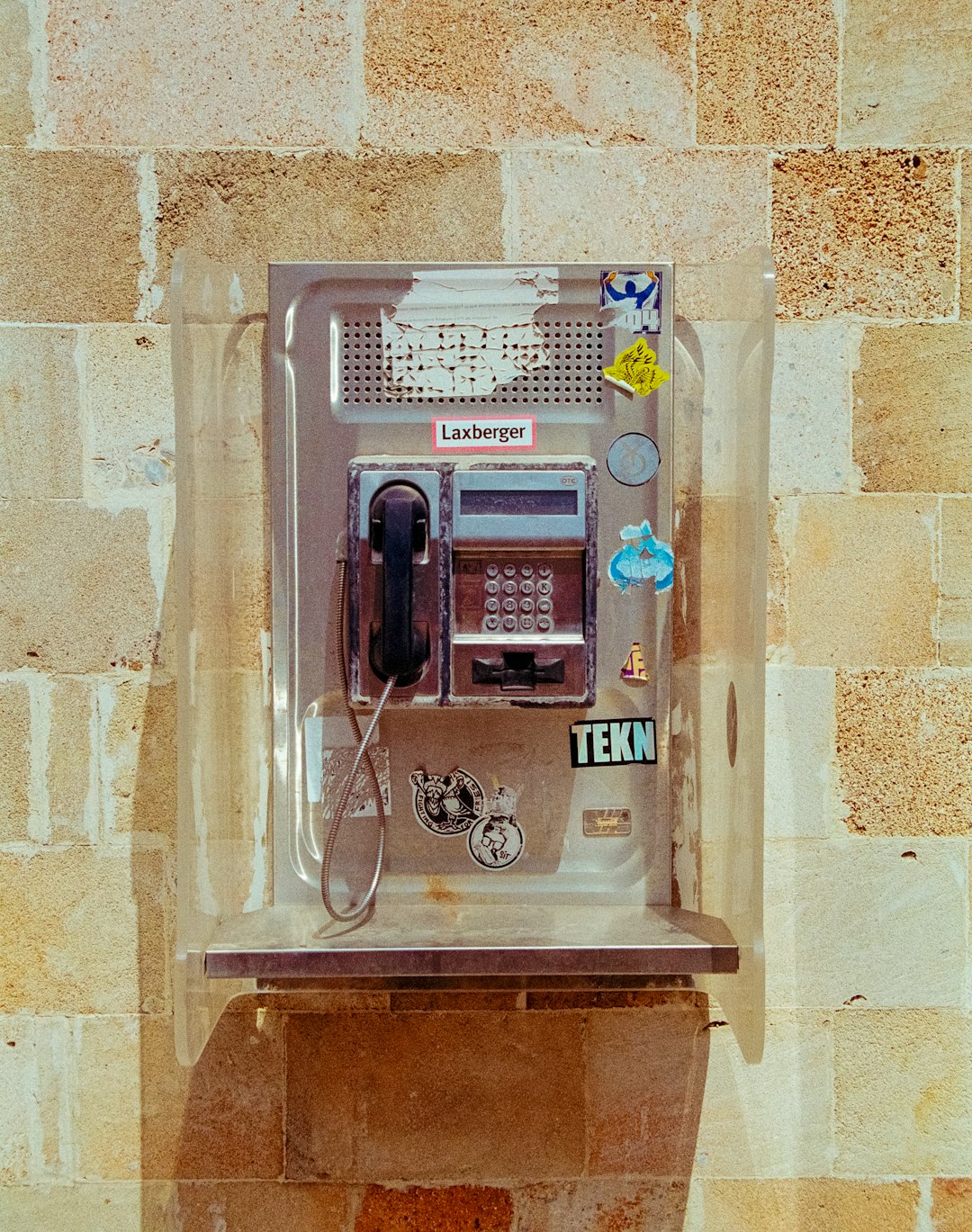
Can I Sue for Robocalls in Montana? An In-Depth Analysis
Introduction
In the digital age, robocalls have become a persistent nuisance, with millions of Americans receiving unwanted automated calls each year. For residents of Montana, the question of legal recourse against these intrusive communications is one of growing importance. This comprehensive article delves into the legal landscape of combating robocalls in Montana, providing readers with a thorough understanding of their rights and the mechanisms in place to address this issue. We will explore historical context, current regulations, and practical steps one can take if besieged by unwanted robocalls.
Understanding Can I Sue for Robocalls in Montana
"Can I sue for robocalls in Montana?" is a question that arises from the intersection of consumer protection laws, telecommunications regulations, and individual rights. Robocalls, which are pre-recorded telemarketing calls delivered using automated dialing systems, have become increasingly sophisticated and pervasive. In Montana, as in other states, there are specific laws designed to protect consumers from such intrusions. These laws are enforced by both state and federal agencies, providing a legal framework for individuals who wish to take action against robocalls.
Global Impact and Trends
The impact of robocalls extends beyond Montana's borders, affecting consumers worldwide. The proliferation of these calls is a global trend influenced by advancements in technology and the economic incentives behind mass marketing strategies. Countries across the globe are grappling with similar issues, leading to a collective effort to develop more effective solutions. In some regions, the rise of robocalls has sparked a surge in scams and fraudulent activities, emphasizing the need for robust legal protections and advanced call-blocking technologies.
Economic Considerations
Robocalls have significant economic implications. On one hand, they represent a multimillion-dollar industry for telemarketing firms and scammers. On the other hand, they incur substantial costs on consumers and businesses, both in terms of lost productivity and the resources expended to combat these calls. The economic dynamics surrounding robocalls also influence investment patterns in call-blocking technologies and cybersecurity measures, highlighting a complex interplay between innovation, consumer protection, and economic strategy.
Technological Advancements
The battle against robocalls has been bolstered by technological advancements. Innovations such as caller ID verification, artificial intelligence for voice recognition, and call-blocking apps have become critical tools in the fight against unwanted calls. These technologies not only help in identifying and filtering out robocalls but also contribute to the development of more sophisticated defense mechanisms against emerging threats.
Policy and Regulation
In Montana, as at the federal level, a patchwork of laws and regulations governs robocalls. The Telephone Consumer Protection Act (TCPA) is a federal statute that sets the foundation for consumer protections against unwanted calls. Additionally, the Federal Communications Commission (FCC) has implemented rules to curb robocalls, including requiring telephone companies to offer call-blocking services at no additional cost to consumers. At the state level, Montana has its own Consumer Protection Act, which provides further safeguards and remedies for residents facing robocall harassment.
Challenges and Criticisms
Despite these measures, challenges persist. Robocallers frequently exploit regulatory loopholes, switching tactics to evade detection and legal repercussions. Critics argue that the current approach is reactive rather than proactive, with insufficient penalties to deter offenders effectively. Solutions proposed include strengthening penalties for violations, improving coordination between agencies, and fostering public awareness about the risks associated with robocalls.
Case Studies
Several high-profile cases have demonstrated both the legal efficacy in combating robocalls and the evolving strategies of offenders. For instance, a class-action lawsuit filed against a major debt collection agency resulted in a multimillion-dollar settlement for affected consumers. These case studies serve as valuable lessons, illustrating effective legal action and highlighting the importance of vigilance against such calls.
Future Prospects
Looking ahead, the trajectory of robocall legislation and technology development is one of ongoing evolution. Advances in AI and machine learning promise even more sophisticated call-blocking capabilities. At the same time, legal frameworks are likely to be updated to address new types of robocalls, particularly those that utilize sophisticated techniques to evade detection. Strategic considerations for consumers and policymakers alike will focus on anticipating the next wave of robocall tactics and ensuring robust protections against them.
Conclusion
The question of whether one can sue for robocalls in Montana is not just a matter of legal action but a broader issue of consumer rights and data privacy. Through a combination of stringent regulations, advanced technologies, and public education, there is a clear path forward to mitigate the impact of robocalls. Consumers in Montana have more tools than ever before to combat these calls, and with continued vigilance and legal enforcement, the tide can be turned against unwanted robocalls.
FAQs
Can individuals in Montana sue for robocalls?
Yes, under both federal and state laws, consumers in Montana can take legal action against robocall violations.
What are some common legal remedies for victims of robocalls?
Remedies may include monetary damages, injunctions to stop the calls, and in some cases, attorney fees.
How can I protect myself from robocalls?
Employ call-blocking technologies, be cautious about answering unknown numbers, and report suspicious calls to relevant authorities.
What are the penalties for making illegal robocalls?
Penalties can include significant fines and imprisonment, depending on the severity of the offense and jurisdiction.
Resources
For more information on combating robocalls in Montana, consumers can consult resources provided by:
- The Federal Communications Commission (FCC)
- The Federal Trade Commission (FTC)
- The Montana Attorney General's office
- Local consumer protection agencies
By staying informed and proactive, Montana residents can effectively protect themselves from the nuisance of robocalls and hold offenders accountable.
February 23, 2026
Can I Sue For Robocalls Montana Expert
In Montana, including Billings, robocalls are regulated by federal (TCPA) and state (UDPA) laws, prohibiting automated calls without prior consent. Unwanted robocalls can be documented for complaints or lawsuits. Class action lawsuits under Robocall Montana laws empower consumers affected by harassi.......
Read more →
February 23, 2026
Can I Sue For Robocalls Montana Expert
Great Falls, Montana faces a surge in robocalls, mostly from automated fraud systems. Federal laws like the TCPA protect consumers, but loopholes persist. Robocall Lawyers Montana specialize in defending against unlawful telemarketing and educating residents on identifying scams. Key strategies incl.......
Read more →
February 23, 2026
Can I Sue For Robocalls Montana Expert
Robocall Montana residents face intrusive automated calls from political campaigns, telemarketers, and debt collectors. Protection includes registering on the National Do Not Call Registry, blocking unknown numbers, using call-blocking apps, and staying informed about law updates. Under Montana&#039.......
Read more →
February 23, 2026
Can I Sue For Robocalls Montana Expert
Robocalls in Billings, Montana, mirror national trends, with nearly one in four calls automated. Advanced technologies used by syndicates evade blocking methods. Residents and businesses turn to Robocall Attorney Montana for legal relief under the Telephone Consumer Protection Act (TCPA). Strategies.......
Read more →
February 5, 2026
Can I Sue For Robocalls Montana Expert
Navigating robocall lawsuits in Missoula requires understanding federal (TCPA) and state laws. Consumers should gather evidence and consult a lawyer for Robocall Montana with proven TCPA case success. Research attorneys through the Montana Bar Association, industry associations, and online reviews t.......
Read more →
November 28, 2025
Can I Sue For Robocalls Montana Expert
Great Falls residents face a surge in robocalls from scammers targeting personal data. Protect against these scams by:- Analyzing call patterns on caller ID.- Consulting a lawyer for Robocall Montana for legal protections, blocking methods, and understanding privacy laws.- Documenting robocalls for.......
Read more →
November 26, 2025
Can I Sue For Robocalls Montana Expert
Robocalls have become a significant nuisance in Billings, Montana, fueled by telemarketing, political campaigns, and scams. A surge in spam calls affects 70%+ of households, prompting the need for legal protection. The Spam Call law firm Montana navigates complex regulations, offering strategies to.......
Read more →
November 24, 2025
Can I Sue For Robocalls Montana Expert
Robocalls are a prevalent issue in Kalispell, Montana, but state laws and federal regulations like the TCPA offer protections. A lawyer for Robocall Montana guides consumers through these complexities, ensuring compliance and helping assert rights against automated calls. Key steps include registeri.......
Read more →